
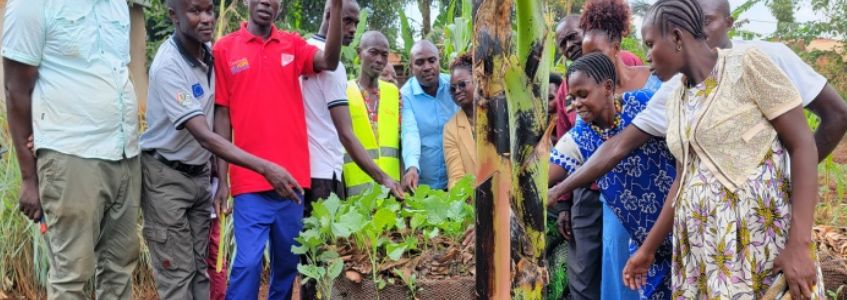
Humanitarian Aid and Development
Uganda's
humanitarian and development context is defined by its role as a major refugee
host, facing significant internal challenges like food insecurity, natural
disasters and chronic malnutrition, all exacerbated by external factors like
climate change and instability in neighboring countries. While the government
has a progressive refugee policy, declining humanitarian funding, coupled with
inadequate infrastructure and underlying issues hinders sustainable
development. The focus is increasingly shifting towards integrated
development-oriented approaches to build resilience and self-reliance for both
refugees and host communities, though this shift faces significant obstacles.
Humanitarian aid and development are distinct but related fields focused
on improving human well-being, with humanitarian aid addressing immediate
crises and development focusing on long-term solutions. Humanitarian aid
provides rapid assistance to save lives and alleviate suffering during
emergencies, like natural disasters, conflicts or famines, with the goal of
saving lives, alleviating suffering, and maintaining human dignity. It
encompasses a range of activities, including providing food, shelter, medical
care, and protection.
While development aid, which UCAA has factored in, aims for long-term
solutions to poverty and inequality, it is closely related to humanitarian aid
in that both seek to enhance human lives and prevent future hardship.
Specific objectives: To contribute to livelihoods enhancement, youth employment and women economic empowerment and self-reliance of refugees and host communities.
Expected results
1.
Conflict-affected persons engaged in
sustainable peace and security initiatives, environmental protection and
psychosocial initiatives
2.
Enhanced employment chances for youth in the
refugee camps and host communities
3.
Increased, improved and diversified skills and
employment strategies for refugee youth and host communities
4.
Enhanced economic empowerment opportunities
for women in the refugee camps and host communities
5.
Savings and internal borrowing facilitated
among refugee youth and women through VSLAs


